You see PIR sensor technology everywhere now, right?
The European market expects a CAGR of 7.2%.
North America leads with high adoption rates.
Asia Pacific grows fastest, thanks to urbanization.
PIR sensors stay reliable for big movements and cover up to 1,000 square feet.
They’re affordable, but scaling them can get pricey.
Dual technology sensors—combining PIR and daylight—cut down false alarms by requiring both sensors to trigger at once. Fanxstar keeps pushing innovation, so you get safer spaces and smarter choices.
Key Takeaways
PIR motion sensor detects movement by sensing infrared radiation from heat sources, making them effective for home security.
Dual technology sensors combine PIR and daylight detection to reduce false alarms, ensuring more reliable monitoring.
Installing PIR sensors can lower energy costs by automatically turning off lights when no movement is detected.
PIR Motion Sensors and Safety

How PIR Sensor Light Works
PIR (Passive Infrared) motion sensor lights stand out as a simple yet powerful tool that is revolutionizing safety across residential, commercial, and public environments. Unlike traditional lighting systems that rely on manual switches or timers, PIR motion sensor lights operate on a smart, responsive principle—detecting heat and movement to activate illumination only when needed. This unique functionality not only enhances convenience but also serves as a proactive defense against hazards, theft, and accidents, making it a cornerstone of modern safety infrastructure.
PIR sensors are “passive”—they work by detecting changes in infrared radiation (heat) within their field of view. All living beings, including humans and animals, emit infrared energy, and PIR sensors are designed to pick up sudden shifts in this energy pattern. When you walk into a room, your body emits heat. PIR motion sensors pick up this heat and notice changes in temperature patterns. They use the pyroelectric effect, which means the sensor material creates an electrical signal when it absorbs infrared heat and its temperature shifts.
Here’s a quick breakdown of how PIR sensors work:
Principle | Explanation |
|---|---|
Infrared Radiation Emission | All objects above absolute zero emit infrared rays, which PIR sensors utilize to detect movement. |
Pyroelectric Effect | The sensor material generates electrical signals when it absorbs infrared heat and its temperature changes. |
Dual Sensing Elements | Two components detect temperature changes sequentially, allowing the sensor to identify movement accurately. |
PIR motion sensors don’t send out any signals. They just listen for infrared energy from moving heat sources. This passive detection method means less interference with other devices and lower power consumption. You’ll find that PIR sensors use very little energy—about one watt-hour per day in standby mode. That’s why they’re so popular for motion detection technology in commercial and industrial.
Component | Function |
|---|---|
Pyroelectric Sensor | Captures infrared light emitted by heat sources. |
Thermal Imager | Converges heat onto the sensor pack to detect changes in infrared radiation. |
If you use motion sensors to control your lights, you’ll notice your electricity bills drop. Lights turn off automatically when no movement is detected, making PIR motion sensors both reliable and energy-efficient. And also inherently safety-focused: by eliminating the need for manual operation, PIR lights ensure that dark spaces are instantly illuminated when someone is present—reducing the risk of falls, collisions, and criminal activity.
Benefits for Home Security
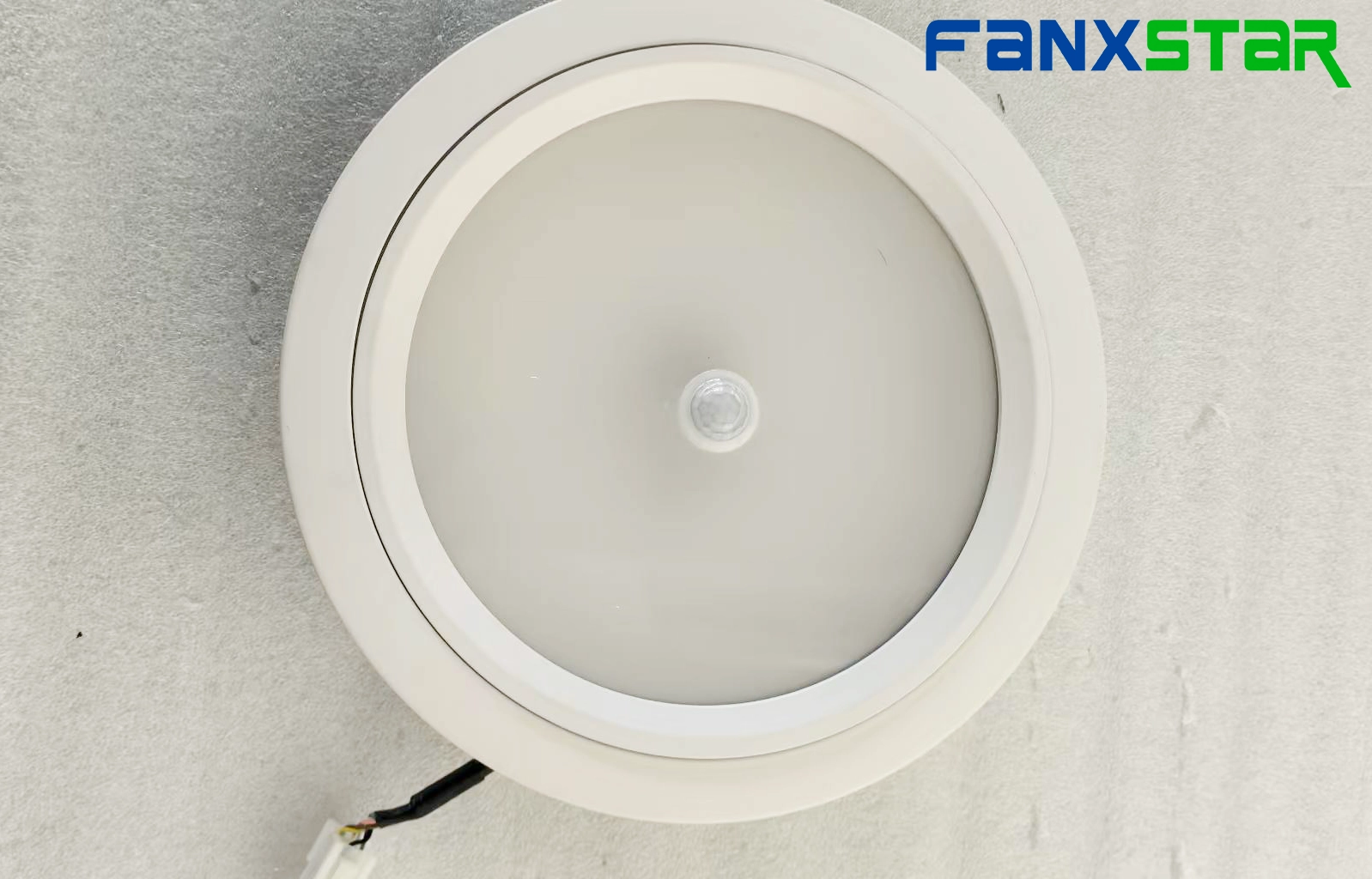
You want your home security to be smart and responsive. PIR motion sensor plays a huge role in real-time intrusion detection. They can spot the difference between a person and an object because they sense body heat. When someone enters the detection zone, the sensor triggers an alert. This helps you catch intruders before they get too close.
Let’s look at some features that make PIR motion sensor a top choice for protection:
Feature | Description |
|---|---|
Sensor Type | PIR motion sensors are widely used in security systems. |
Cost | Low cost, making them accessible for various security applications. |
Accuracy | High accuracy in detecting movement within a specified area. |
Limitations | Includes blind spots and range limitations that can affect performance. |
You’ll see PIR sensors in many security systems because they’re reliable and affordable. They’re great at distinguishing living creatures from inanimate objects. That means fewer false alarms and better surveillance. PIR motion sensor can trigger lights when they detect movement. This scares off potential intruders and alerts you or law enforcement to suspicious activity.
Here’s how PIR motion sensor
help with crime deterrence:
They detect body heat and trigger lights, intimidating potential intruders.
They activate lights, alerting people nearby about possible break-ins.
They monitor an area for changes in temperature patterns, enhancing security.
If you want early intrusion detection, PIR sensors are a smart investment for your home security setup.
Advanced Motion Detectors
You might worry about false alarms with motion detectors. Standard PIR sensors sometimes get triggered by pets or environmental changes. That’s where dual technology sensors come in. These combine PIR and microwave detection. Both sensors must trigger at the same time, which cuts down on nuisance alarms.
The NAPCO Adaptive Microwave/PIR Detector, for example, adjusts its sensitivity based on the environment. It can tell the difference between real threats and harmless disturbances. This means you get fewer false alarms compared to standard PIR motion sensors.
Here’s a quick list of what makes PIR motion sensors stand out in motion detection technology:
PIR sensors are passive and rely on detecting existing infrared radiation.
They don’t emit infrared light, so there’s less interference with other devices.
PIR sensors detect motion through body heat, while other sensors may use sound waves, microwaves, or light.
They’re effective in smaller indoor areas but have limits outdoors or through barriers like windows.
PIR sensors use less power and experience less interference than active infrared sensors.
Fanxstar leads the way in PIR sensor innovation. You’ll find their PIR motion sensors in homes, offices, and industrial settings. They offer advanced features for outdoor motion sensors and indoor motion detectors, making them a top choice for anyone who wants reliable protection and smart surveillance.
Applications and Installation

Indoor and Outdoor Use
You see pir motion sensor everywhere these days. In homes, you use motion detectors to automate lights, control temperature, and boost home security. Offices rely on pir sensors for energy savings and smart monitoring. Industrial complexes use outdoor motion sensors for intrusion detection and surveillance. Take a look at how motion detection technology fits into different places:
Application | Description |
|---|---|
Automatic Door Systems | Doors open automatically in malls and hospitals when sensors detect movement. |
Smart Home Systems | Motion sensors automate lighting, climate, and security. |
Public Toilets | Sensors control lights and dryers, saving energy. |
Elevators | Sensors optimize energy use by detecting presence. |
Security Cameras | Motion detectors activate cameras only when needed, reducing unnecessary recordings. |
Pet Monitoring Systems | Sensors track pet activity for better monitoring when you’re away. |
Beyond residential use,Fanxstar outdoor PIR motion sensor lights are revolutionizing safety in commercial and public spaces, where the stakes are often higher (with more people, larger areas, and greater liability risks). One of the most impactful applications is parking lots and garages,which are notoriously dangerous after dark due to poor visibility and increased crime rates. And also in parks, porch, corridors, and warehouses. Their waterproof and impact-resistant features make them perfect for advanced applications and comprehensive security setup.
Reducing False Alarms
You want your motion sensors to be accurate. False triggers can be annoying. Place pir motion sensors away from vents, windows, and direct sunlight. Do not cover the PIR sensor by anything. Fresnel lens should be install outside of the light fixture. Secure sensors on solid surfaces to avoid vibrations. Regularly test and adjust sensitivity settings for your environment. Advanced algorithms and dual-technology sensors help reduce false alarms. Integrating motion detection technology with home automation systems gives you real-time alerts and immediate alerts for suspicious activity.
Tip: Seasonal calibration helps outdoor motion sensors stay reliable during temperature changes.
Choosing the Right PIR Sensor
Picking the right PIR motion sensor depends on your needs. Consider sensitivity, range, and energy efficiency. Outdoor motion sensors need durability and weather resistance. Easy installation and cost matter too. Fanxstar offers passive infrared sensors with PWM operation for enhanced security features. Using PIR sensors lowers security risks and can even reduce insurance premiums. Some insurers offer discounts for homes with early intrusion detection and real-time notifications from security sensors.
Future of PIR Motion Sensor
Innovations in Safety
You see new features in motion detectors every year. Wireless connectivity is changing how you use motion detection technology. Now, you can connect motion detectors to Remote Control,Wi-Fi, or Zigbee. This makes it easy to link outdoor motion sensors with your smart home system. You get better sensitivity, longer range, and improved pet immunity. Power efficiency is also improving, so you don’t have to worry about battery life.
Here’s a quick look at what’s coming next:
Characteristic | Description |
|---|---|
Wireless Connectivity | You can connect motion detectors to Wi-Fi and other wireless protocols for seamless integration. |
Enhanced Detection | Outdoor motion sensors now offer better sensitivity and range, plus pet immunity. |
Smart Home Integration | Motion detection technology works with other smart devices for a complete security setup. |
You get longer battery life and lower energy use with new motion detectors. |
Fanxstar keeps pushing the limits of motion detection technology. You can expect more reliable outdoor motion sensors and smarter indoor solutions in the future.
Trends in Home Security
You notice more homes using motion detectors for security and automation. The market for outdoor motion sensors is growing fast. People want real-time alerts and easy installation. You see motion detection technology in smart door sensors, glass break detectors, and even in cars.
Here are some trends shaping the future:
The demand for motion detectors in smart home applications is rising.
IoT-enabled outdoor motion sensors give you instant updates on activity.
Consumer electronics and automotive industries are using motion detection technology more than ever.
Wireless and AI-based motion detectors are becoming popular for real-time monitoring.
Urbanization is driving the need for smart sensors in doors and windows.
Manufacturers are making outdoor motion sensors easier to install and more secure.
Modern motion detectors work with security cameras to give you visual proof of activity. You get smarter surveillance and better peace of mind.
Fanxstar stays ahead by offering reliable outdoor motion sensors and advanced motion detection technology. You can trust their products to keep your home safe as new trends emerge.
In today’s fast-paced world, PIR motion sensor have changed how you protect your home. You get instant alerts, low power use, and fewer false alarms. Fanxstar’s advanced security systems make home security simple and reliable. Stay curious—new sensor technology will keep making your life safer and smarter.
FAQ
How do you install a PIR motion sensor?
You mount the sensor on a wall or ceiling. Point it toward the area you want to monitor. Follow the instructions in the user manual.
Can PIR motion sensor detect pets?
Most PIR sensors pick up large heat sources. Some models offer pet immunity. You can adjust sensitivity to avoid false alarms from small animals.
Can the sensor detect through glass or windows?
Generally, no. Most glass reflects or significantly absorbs the infrared radiation that PIR sensors rely on, making them ineffective at detecting motion through a window.
Will PIR motion sensor lights work in cold weather or extreme temperatures?
Most PIR sensors are designed to operate in a temperature range of -20°C to 50°C (-4°F to 122°F), making them suitable for most climates.
How far can PIR motion sensor lights detect movement
The detection range of PIR lights varies by model but typically ranges from 5 to 13 meters (16 to 40 feet).